
Why Indoor Herbs Fail: A Science-Based Care Guide
Learn why indoor herbs decline and how to diagnose light, watering, drainage, and humidity problems in an apartment garden.
Start With the Real Problem: Light and Location
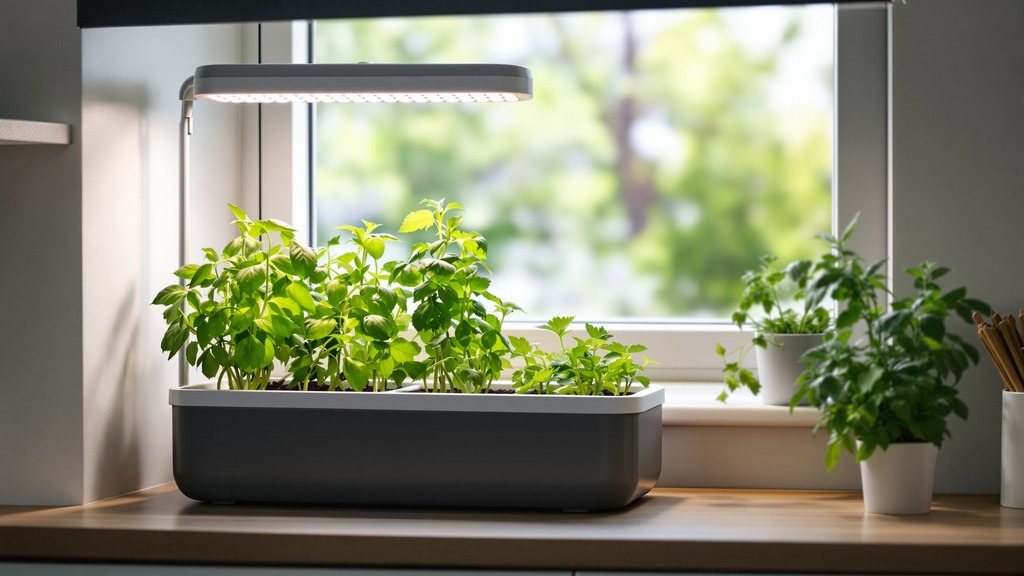
Indoor herbs most often fail because they receive less light than their leaves need to produce energy. A bright-looking windowsill can still be inadequate, especially in north-facing rooms, during winter, or when nearby buildings block direct sun. Basil, mint, parsley, and similar culinary herbs generally need several hours of strong light each day. Symptoms of insufficient light include stretched stems, pale or small leaves, slow growth, and a plant leaning toward the window. These symptoms identify a light problem, but they do not explain every decline: yellow leaves can also result from overwatering or depleted roots.
Use location as your first diagnostic test in apartment living. Observe the plant for a full day, note direct sun exposure, and rotate the container weekly so growth remains even. If natural light is weak, add a suitable LED grow light and position it according to the manufacturer’s guidance. A sensor-equipped system such as Sproutiq can monitor ambient light and provide a reminder when conditions are consistently low. Better light improves vigor, but it will not compensate for saturated soil, so always evaluate watering next.
Watering and Drainage: Diagnose the Roots, Not Just the Leaves
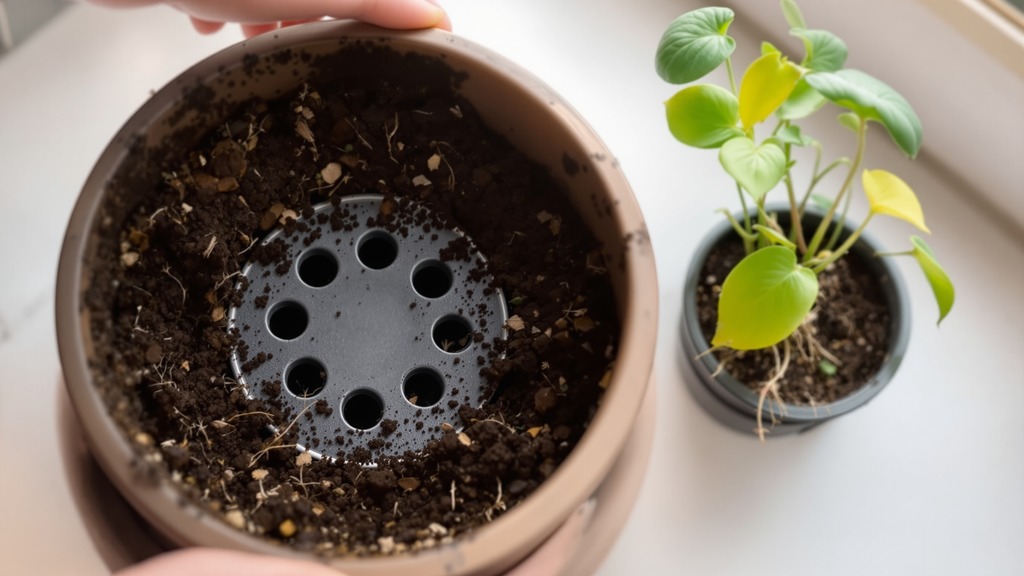
Overwatering is not simply the act of giving too much water once; it is keeping the root zone wet for too long. Roots require both moisture and oxygen. In waterlogged soil, oxygen declines, roots weaken, and fungi may take hold. Common warning signs include yellowing lower leaves, wilting despite damp soil, soft stems, fungus gnats, and a sour smell. These symptoms can resemble underwatering because damaged roots cannot transport water effectively. Before watering, press a finger into the upper soil or check the container’s moisture level rather than relying on a fixed schedule.
Drainage is equally important. Use a planter with open drainage holes, a free-draining growing mix, and a saucer that does not leave the pot standing in runoff. Empty excess water after several minutes, and avoid placing a nursery pot inside a decorative container where water can collect unseen. If soil is dry several centimeters below the surface and the plant is wilted, water thoroughly until a little drains out, then wait for the appropriate portion of the mix to dry. Moisture sensors and local indicators can help beginners distinguish a genuinely dry root zone from a drooping plant with waterlogged roots.
Humidity, Harvesting, and a Simple Diagnostic Routine
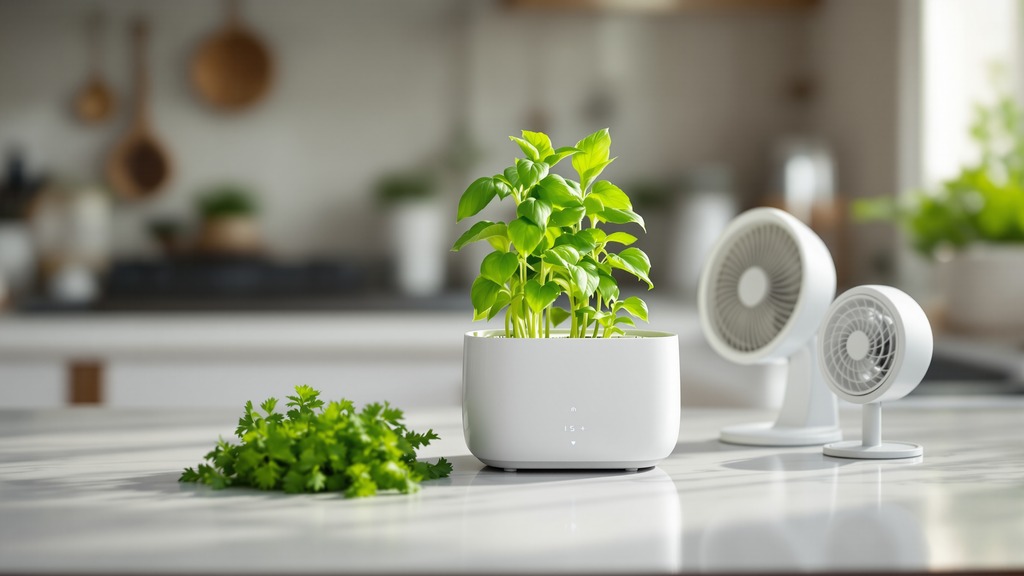
Humidity can influence herb health, but it is often blamed for problems caused by light or watering. Most common culinary herbs tolerate ordinary household humidity when air circulates and roots are healthy. Very dry air may cause crispy leaf edges, rapid moisture loss, or stressed new growth, while persistently humid, stagnant air encourages fungal disease. Keep plants away from heating vents, leave space between containers, and improve gentle airflow. Avoid frequent misting: it rarely raises humidity for long and can keep foliage wet. A small humidifier may help only when indoor air is genuinely dry and ventilation remains adequate.
For practical plant care, diagnose in sequence: check light, feel the soil, inspect drainage, examine roots if decline continues, and then consider humidity, pests, or nutrients. Change one factor at a time and record the result for several days. Harvest regularly by pinching above a leaf pair, but never remove most of the plant at once. A guided indoor gardening kit can combine these habits with care alerts, optional mobile notifications, and replenishment of seeds or nutrients. With consistent observation, apartment gardening becomes a repeatable system rather than guesswork—and fresh herbs become far more reliable.